 |
| Image source: userscontent2.emaze.com |
Education is a universal right. Aside from ensuring enrollment rates, states must also work towards improving the quality of education. The rising rates of illiteracy and disinterest can be addressed through more student-centric and accessible e-learning strategies.
However, the problem is less lack of material than absence of funding. Economic downturns usually augur budget cuts for learning initiatives. Lack of government funding saps opportunities for private investors to develop profitable innovations in education technology.
The traditional classroom setup, it is now being generally accepted, could be counterproductive for some types of learners. To engage differently adjusted learners, curricula and syllabus should be designed around their pace and capacity for knowledge.
There is still a demand for apps, software, and other platforms that facilitate learning, especially for children. As lifestyles are constantly changing, the learning tools that worked for students of the past decade may no longer work for the current generation. Due to the influence of their parents, children these days are becoming dependent on mobile devices.
 |
| Image source: media.licdn.com |
This trend opens up opportunities for apps and software that encourage learning and track a student’s progress. In the same way, teachers also need new tools and materials that will engage their students. On the teaching and educational management side, there is also a need for efficient software aiding the documentation of student progress and the creation of educational materials.
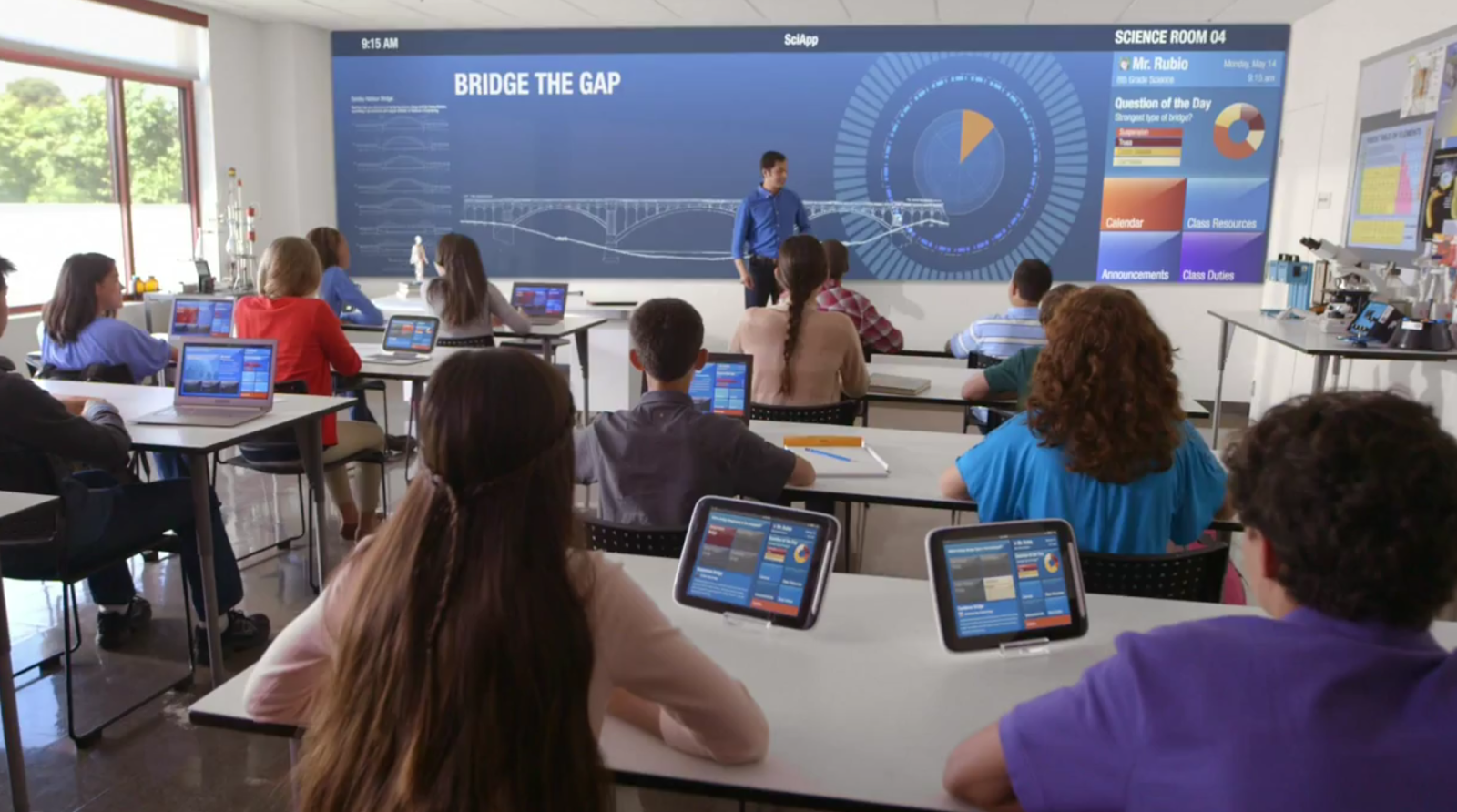
Along with this shift, the classroom setup is also evolving. Interactive boards, e-books, and collaborative curriculum are becoming commonplace in affluent places. Bringing these improvements to the mainstream invites private investment. Businesses can consider contributing to these efforts as investing in human capital. Helping others acquire necessary skills and knowledge to become productive members of society will lead to a stronger workforce in the future. This could also be solutions for illiteracy and out-of-school youth.
Global and private initiatives towards improving education technology will increase towards the year 2020. This outlook needs the work of not only education professionals but also those from information technology and business. The collaboration of these three powerful sectors has the potential to influence millions of people.
